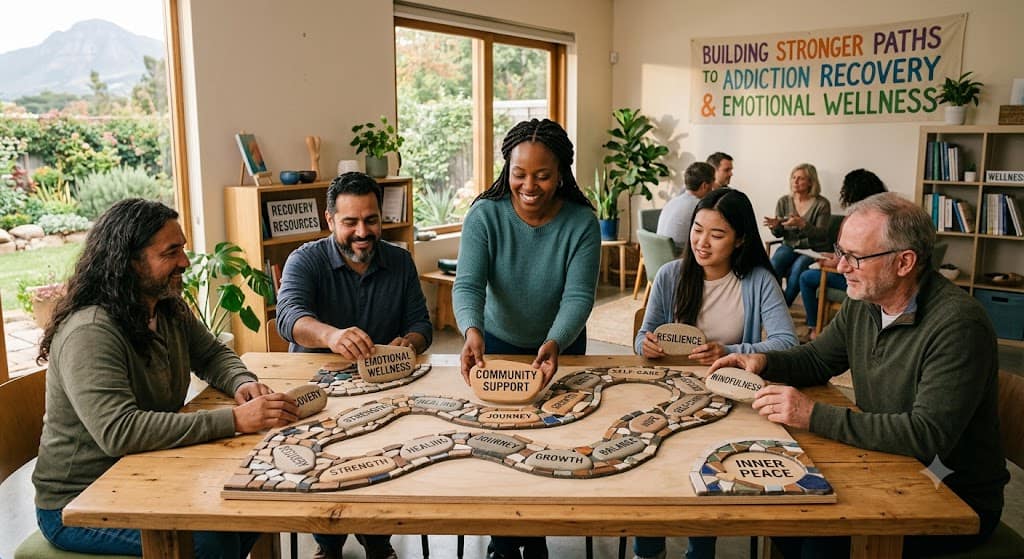
Canadian Values in Action: Building Stronger Paths to Addiction Recovery and Emotional Wellness

Addiction recovery is about far more than breaking free from substance use. It is a journey of rebuilding trust, restoring emotional health, and creating a meaningful life with purpose and connection. While every recovery story is unique, certain values consistently help people move forward. Across Canada, principles such as compassion, inclusivity, resilience, and community continue to shape conversations about health and well-being. These values also provide a strong foundation for effective addiction recovery and emotional wellness.

At Kalera, recovery is approached with these same principles in mind. Through comprehensive addiction recovery services, mental health treatment, inpatient and outpatient care, holistic therapies, faith-based support, and individualized treatment plans, clients receive care that addresses every aspect of their well-being. The goal is not simply to help individuals overcome addiction, but to empower them to build healthier, more fulfilling lives.

Why Values Matter in the Recovery Journey

Recovery is not sustained by willpower alone. Long term healing depends on the environment, relationships, and support systems surrounding each individual.

Values such as empathy, respect, accountability, and hope create a treatment environment where people feel safe enough to be honest about their struggles. This openness allows meaningful healing to begin.

At Kalera, every client is treated with dignity and compassion. Instead of focusing only on symptoms, the clinical team works to understand each person’s experiences, challenges, and strengths. This client-centered approach creates a strong foundation for lasting recovery.

Community Creates Strength During Recovery

One of Canada’s greatest strengths is its emphasis on community. Healthy communities remind people that they do not have to face life’s challenges alone. This lesson is especially important for individuals recovering from addiction.

Substance use disorders often lead to isolation. Relationships become strained, trust is broken, and individuals may withdraw from family and friends. Recovery provides an opportunity to rebuild those connections.

The Benefits of a Supportive Community

Strong support systems help individuals:

  • Feel less isolated
  • Develop healthy accountability
  • Build confidence through shared experiences
  • Stay motivated during challenging moments
  • Celebrate milestones and personal growth

At Kalera, clients participate in therapeutic communities where encouragement, understanding, and shared experiences strengthen the recovery process.

Family and Peer Support

Healing extends beyond the individual. Family involvement, when appropriate, helps repair relationships and improve communication. Peer support also allows clients to connect with others who understand the realities of addiction and recovery from personal experience.

These relationships often become an important source of strength throughout treatment and beyond.

Emotional Wellness Is Essential for Lasting Recovery

Addiction rarely exists on its own. Many individuals also struggle with anxiety, depression, trauma, grief, or chronic stress. Addressing emotional wellness is therefore a critical part of successful treatment.

Ignoring emotional health may increase the risk of relapse because unresolved feelings often contribute to substance use.

Treating Mental Health Alongside Addiction

Kalera provides integrated mental health treatment that helps clients understand the emotional patterns connected to addiction. Evidence-based therapies teach practical skills for managing difficult emotions, improving relationships, and responding to stress in healthier ways.

By treating both addiction and mental health together, clients gain a stronger foundation for long term recovery.

Holistic Healing Supports the Whole Person

True healing requires attention to every aspect of wellness. Holistic treatment recognizes that emotional, physical, mental, and spiritual health are closely connected.

At Kalera, holistic care complements clinical treatment by helping clients develop healthier lifestyles and stronger coping skills.

Physical Wellness

Exercise, balanced nutrition, restorative sleep, and healthy daily routines support emotional stability and improve overall well-being.

Mindfulness and Stress Management

Mindfulness practices help individuals become more aware of their thoughts and emotions without becoming overwhelmed by them. These skills are valuable for managing cravings, anxiety, and daily stress.

Faith-Based Care

For clients who desire spiritual guidance, faith-based support offers encouragement, hope, and opportunities for personal growth. Spiritual wellness can become an important source of resilience throughout recovery.

Individualized Care Leads to Better Outcomes

Every person’s recovery journey is unique. Effective treatment recognizes that individuals have different life experiences, strengths, challenges, and goals.

Kalera develops individualized treatment plans that adapt to each client’s specific needs. Personalized care allows clinicians to select therapies and interventions that are most appropriate for the individual while adjusting treatment as progress is made.

This flexibility helps clients remain engaged while building confidence in their ability to achieve lasting recovery.

Inpatient and Outpatient Programs Provide Ongoing Support

Recovery often happens in stages, and different levels of care provide support throughout that journey.

Inpatient Treatment

Residential treatment offers a structured environment where clients can focus entirely on healing while receiving intensive therapeutic support and clinical care.

Outpatient Treatment

Outpatient services provide continued counseling and support while allowing individuals to maintain work, school, and family responsibilities. This flexibility helps clients practice recovery skills in everyday life while remaining connected to professional care.

Together, these programs create a seamless continuum of treatment that supports lasting emotional wellness.

Conclusion

Canadian values such as compassion, resilience, community, and inclusion provide meaningful lessons for addiction recovery and emotional wellness. They remind us that healing is strongest when people are supported, respected, and encouraged throughout every stage of their journey.

At Kalera, these values are reflected in every aspect of care. Through individualized treatment plans, holistic therapies, faith-based support, and comprehensive inpatient and outpatient programs, clients receive the guidance and encouragement they need to build healthier, more hopeful futures.

If you or someone you love is living with addiction or mental health challenges, seeking help is a courageous first step. With compassionate care, personalized treatment, and a strong support system, lasting recovery and emotional wellness are within reach.

From Kindness to Recovery: What Canadian Identity Teaches Us About Mental Health Support

Mental health recovery is built on more than therapy sessions and treatment plans. It flourishes in an environment where compassion, understanding, and human connection are part of everyday care. Canadian identity is often associated with kindness, inclusivity, and a deep respect for community. While these qualities are cultural values, they also offer meaningful lessons for supporting individuals living with addiction and mental health challenges.

At Kalera, these same principles are reflected in a comprehensive approach to addiction recovery and mental health treatment. Through individualized care, inpatient and outpatient programs, holistic therapies, and faith-based support, each client is treated as a whole person rather than a diagnosis. Recovery becomes more than overcoming a challenge. It becomes an opportunity to build a healthier, more fulfilling life.

Why Kindness Matters in Mental Health Recovery

Kindness is often viewed as a simple gesture, yet its impact on recovery is profound. People struggling with addiction or mental health conditions frequently experience guilt, shame, fear, and isolation. Feeling judged can discourage them from asking for help or remaining engaged in treatment.

A compassionate approach creates a different experience. When individuals are welcomed with empathy and respect, they are more likely to trust their care team and participate fully in the recovery process.

At Kalera, kindness is demonstrated through active listening, personalized care, and genuine encouragement. Every individual is met with dignity, allowing them to begin healing in a safe and supportive environment.

Reducing Stigma Through Compassion

Stigma remains one of the greatest barriers to seeking treatment. Many people delay getting help because they worry about being misunderstood or judged.

Compassionate mental health care helps break down these barriers by recognizing that addiction and mental health disorders are medical conditions, not personal failures. By replacing judgment with understanding, individuals can focus on recovery instead of shame.

Community Creates a Strong Foundation for Healing

Canadian culture emphasizes the importance of community and mutual support. This value is equally important in addiction recovery because healing rarely happens in isolation.

Strong support systems provide encouragement during difficult moments while celebrating progress along the way. They also remind individuals that recovery is a shared journey rather than a solitary struggle.

Building Healthy Connections

Support can come from many different sources, including:

  • Licensed therapists and counselors
  • Family members and trusted friends
  • Peer support groups
  • Recovery communities

At Kalera, community is integrated into treatment through group therapy, collaborative care, and family involvement when appropriate. These connections help individuals develop confidence while strengthening their sense of belonging.

The Value of Peer Support

Connecting with others who have experienced similar challenges can reduce feelings of loneliness and provide practical encouragement. Peer support allows individuals to learn from shared experiences while building meaningful relationships that continue beyond treatment.

Holistic Care Supports Lasting Wellness

Mental health recovery involves every aspect of a person’s well-being. Holistic care recognizes that emotional, physical, mental, and spiritual health are closely connected.

Rather than focusing only on symptoms, holistic treatment addresses the underlying factors that influence long term wellness.

Emotional and Psychological Healing

Evidence-based therapies help individuals understand unhealthy thought patterns, process difficult experiences, and develop healthier coping strategies.

Physical Wellness

Nutrition, exercise, healthy sleep habits, and stress management all contribute to improved emotional resilience and overall recovery.

Faith-Based Support

For clients who desire spiritual guidance, faith-based services provide another source of strength and hope throughout the recovery journey. Spiritual wellness can help individuals reconnect with purpose while supporting emotional healing.

Individualized Treatment Makes Recovery Personal

No two people experience addiction or mental health challenges in the same way. Effective treatment should reflect each individual’s unique history, strengths, and goals.

Kalera develops personalized treatment plans that adapt to each client’s specific needs. This individualized approach allows therapists and clinicians to provide targeted care while empowering clients to take an active role in their recovery.

Personalized treatment also helps build confidence because individuals receive care that reflects their circumstances rather than a standardized approach.

Flexible Care Through Inpatient and Outpatient Programs

Recovery is a lifelong process, and different stages require different levels of support.

Inpatient Treatment

Inpatient care offers a structured environment where clients can focus entirely on healing with around-the-clock professional support, therapy, and wellness services.

Outpatient Treatment

Outpatient care provides continued therapeutic support while allowing individuals to maintain work, school, or family responsibilities. This flexibility helps clients strengthen recovery skills within their everyday lives.

Together, these treatment options provide continuity of care while meeting individuals where they are in their recovery journey.

Recovery Is About Building a Better Future

Healing is not simply about overcoming addiction or reducing mental health symptoms. It is about creating a life that feels meaningful, balanced, and connected.

Canadian values of kindness, inclusion, and community remind us that lasting recovery grows through supportive relationships, compassionate care, and respect for every individual’s journey.

At Kalera, these values are reflected in every aspect of treatment. Clients receive holistic, individualized care designed to help them rebuild confidence, improve emotional wellness, and achieve lasting recovery.

Conclusion

Kindness has the power to transform lives. Combined with strong community support and comprehensive mental health care, it becomes a catalyst for lasting healing. Canadian identity demonstrates that compassion and connection are not only cultural ideals but also essential ingredients for successful addiction recovery.

If you or someone you care about is facing addiction or mental health challenges, professional support can make a meaningful difference. Kalera’s compassionate team is committed to helping individuals find hope, build resilience, and create a healthier future through personalized, holistic care.

True North Healing: Lessons from Canadian Culture for Mental Health and Holistic Wellness

Healing is a journey that requires more than treatment alone. It requires connection, understanding, and a supportive environment where individuals feel valued and empowered to grow. Canadian culture, often associated with compassion, resilience, and community, offers meaningful lessons about how people can approach mental health and holistic wellness. These values reflect the importance of caring for the whole person, not only addressing challenges but also building strength, purpose, and a healthier future.

At Kalera, these principles are reflected in a compassionate approach to addiction recovery and mental health treatment. Through inpatient and outpatient care, holistic programs, faith-based support, and individualized treatment plans, individuals are supported in a way that respects their unique experiences and goals. Recovery is not a single path. It is a personal journey shaped by connection, self-discovery, and meaningful support.

Canadian Values and the Foundation of Healing

Canadian identity is often connected to values such as kindness, inclusion, and respect for others. These principles create a strong foundation for mental health support because they encourage people to recognize the importance of compassion and understanding.

In addiction recovery, individuals often face feelings of shame, isolation, or fear. A supportive environment can help replace these experiences with hope and confidence. When people feel accepted, they are more willing to seek help, participate in treatment, and make positive changes.

At Kalera, compassionate care means meeting individuals where they are in their recovery journey. Each person’s story is different, and effective treatment begins with listening, understanding, and creating a plan that reflects their needs.

The Importance of Community in Mental Health and Recovery

One of the strongest lessons from Canadian culture is the power of community. A sense of belonging can have a significant impact on emotional wellness and long-term recovery.

Many individuals struggling with addiction or mental health challenges experience isolation. Without support, it can feel difficult to move forward. Community provides encouragement, accountability, and connection during both the difficult and successful moments of recovery.

How Support Networks Strengthen Recovery

Strong support systems may include:

  • Family members and loved ones
  • Therapists and treatment professionals
  • Peer support groups
  • Recovery communities

At Kalera, community plays an important role in care. Group therapy, shared experiences, and supportive relationships help individuals recognize that they are not alone. This connection can become a powerful source of motivation and resilience.

Holistic Wellness: Caring for the Whole Person

Canadian culture often emphasizes balance and overall well-being. This perspective aligns closely with holistic approaches to mental health and addiction recovery.

Holistic wellness recognizes that healing involves multiple areas of life, including emotional, physical, mental, and spiritual health. Addressing only one area may not provide the lasting support needed for recovery.

At Kalera, holistic care may include:

Mental and Emotional Support

Therapeutic approaches help individuals understand the thoughts, emotions, and experiences connected to addiction and mental health challenges. Through counseling and personalized treatment, individuals can develop healthier coping strategies.

Physical Wellness

Healthy routines, self-care practices, and lifestyle improvements can support stability and overall wellness. Physical health and mental health are closely connected, and both deserve attention during recovery.

Spiritual and Faith-Based Support

For individuals who value spirituality, faith-based care can provide meaning, hope, and guidance. Spiritual wellness can become an important part of the healing process when it aligns with personal beliefs.

Individualized Treatment for Meaningful Change

A key lesson from Canadian diversity is that every person has a unique story. Recovery should reflect that individuality.

There is no universal solution for addiction or mental health challenges. Each person brings different experiences, strengths, and goals into treatment.

Kalera’s individualized approach focuses on creating care plans that match each person’s needs. This may include selecting appropriate therapies, identifying personal goals, and building practical skills for long-term success.

Personalized care helps individuals feel respected and involved in their own recovery process.

Inpatient and Outpatient Care Supporting Every Stage of Recovery

Recovery needs can change over time. Some individuals benefit from the structure and stability of inpatient care, while others need the flexibility of outpatient treatment.

Inpatient Recovery Support

Inpatient programs provide a focused healing environment where individuals can receive intensive support, therapy, and guidance. This structure allows people to step away from daily pressures and concentrate on recovery.

Outpatient Recovery Support

Outpatient programs allow individuals to continue treatment while maintaining responsibilities such as work, family, or education. This approach helps individuals practice recovery skills in everyday life while staying connected to professional support.

Both options provide important pathways toward lasting wellness.

Conclusion: Building a Future Through True North Healing

True North healing represents more than a cultural idea. It reflects the values that make recovery stronger: compassion, community, balance, and resilience. Canadian culture reminds us that healing happens best when people are supported, understood, and connected.

At Kalera, these values guide a personalized approach to addiction recovery and mental health treatment. Through holistic care, individualized programs, and compassionate support, individuals are encouraged to rebuild their lives with confidence and hope.

If you or someone you love is facing addiction or mental health challenges, reaching out for support can be the beginning of a meaningful transformation. With the right care and guidance, lasting wellness is possible.

What It Means to Be Canadian: How Community and Compassion Strengthen Addiction Recovery

Recovery from addiction and mental health challenges is deeply shaped by the environment in which healing takes place. Beyond clinical treatment and structured programs, the values that surround a person can either strengthen or hinder their ability to recover. Canadian culture, known for its compassion, inclusivity, and strong sense of community, offers a powerful example of how supportive environments can enhance addiction recovery and mental wellness.

At Kalera, these principles are reflected in every aspect of care. Through addiction recovery services, mental health treatment, inpatient and outpatient programs, and holistic, faith-based, and individualized approaches, individuals are supported in a way that prioritizes dignity, respect, and long-term healing. Recovery is not just about stopping harmful behaviors. It is about rebuilding connection, purpose, and emotional well-being.


Canadian Identity and the Role of Community in Recovery

One of the defining characteristics of Canadian culture is the emphasis on community. People are encouraged to support one another, show respect, and value collective well-being. In addiction recovery, this sense of community is not just beneficial. It is essential.

Many individuals struggling with addiction or mental health challenges experience isolation. This disconnection can deepen emotional distress and make recovery more difficult. Community-based support helps reverse this pattern by providing connection, accountability, and encouragement.

At Kalera, community is built into the recovery process through group therapy, peer support, and family involvement when appropriate. These connections help individuals realize they are not alone in their journey. That sense of belonging becomes a powerful motivator for change.


Compassion as the Foundation of Healing

Compassion is a core value in Canadian identity. It is reflected in everyday interactions, social systems, and community relationships. In addiction recovery, compassion becomes a critical element of effective treatment.

Compassion in care means more than kindness. It involves understanding each individual’s experience without judgment and responding with empathy and support.

At Kalera, compassionate care is present from the first point of contact. Clients are met with respect, patience, and understanding. This helps reduce shame, which is often one of the biggest barriers to seeking help and staying engaged in treatment.

Why Compassion Matters in Recovery

Compassion supports recovery by:

  • Creating emotional safety
  • Encouraging honesty in therapy
  • Reducing stigma and shame
  • Building trust between clients and care providers

When individuals feel safe and understood, they are more likely to participate actively in their recovery process.


Holistic Healing That Reflects Canadian Balance

Canadian culture often emphasizes balance between work, life, nature, and community. This idea of balance aligns closely with holistic approaches to addiction recovery and mental health treatment.

Holistic care recognizes that addiction and mental health challenges affect the whole person, not just one part of their life. Effective treatment must therefore address emotional, physical, mental, and spiritual well-being.

At Kalera, holistic care may include:

Evidence-Based Therapy

Clinical treatment methods that address addiction, trauma, anxiety, and depression.

Mindfulness and Emotional Regulation

Tools that help individuals manage stress, cravings, and emotional triggers.

Physical Wellness Support

Healthy routines that support energy, stability, and overall well-being.

Faith-Based and Spiritual Care

Optional support for individuals who want to incorporate spiritual growth into their recovery journey.

This comprehensive approach helps individuals rebuild their lives in a balanced and sustainable way.


Inpatient and Outpatient Care That Builds Stability

Recovery is not a one-size-fits-all process. Different individuals require different levels of support depending on their stage of healing. Canadian healthcare values accessibility and continuity, which is reflected in both inpatient and outpatient care models.

Inpatient care provides a structured environment where individuals can focus fully on recovery with 24-hour support. This setting allows for intensive therapy, stabilization, and emotional safety.

Outpatient care allows individuals to continue treatment while returning to daily responsibilities such as work, school, or family life. This flexibility helps clients apply recovery skills in real-world situations while maintaining access to professional support.

Both levels of care emphasize consistency, structure, and ongoing connection.


Building Long-Term Recovery Through Support Systems

Lasting recovery depends on strong and reliable support systems. Without support, individuals are more vulnerable to relapse and emotional setbacks. With support, they are more likely to maintain progress and build resilience.

At Kalera, support systems are developed through:

  • Peer connection and group therapy
  • Family involvement in recovery planning
  • Professional guidance from care teams
  • Continued aftercare and follow-up support

These systems help individuals feel grounded and supported as they transition through different stages of recovery.


Conclusion: Community and Compassion as Pathways to Healing

What it means to be Canadian goes beyond geography. It reflects values of compassion, community, and mutual support. These principles align closely with what makes addiction recovery and mental health treatment effective.

At Kalera, these values are integrated into every aspect of care. Through individualized treatment, holistic healing, and compassionate support, individuals are given the tools they need to rebuild their lives with dignity and hope.

If you or someone you love is struggling with addiction or mental health challenges, reaching out for help is a meaningful first step. Recovery is possible, and no one has to face it alone.

The Power of Belonging: How Canadian Community Values Support Lasting Addiction Recovery

Belonging is one of the most powerful forces in human healing. When individuals feel connected, accepted, and valued, they are more likely to engage in recovery, stay committed to treatment, and build meaningful change. In addiction recovery and mental health treatment, the experience of belonging can be the difference between temporary progress and lasting transformation.

Canadian culture places a strong emphasis on community, inclusion, and mutual care. These values naturally support the recovery process by creating environments where individuals feel supported rather than judged. At Kalera, this philosophy is reflected in every aspect of care, including addiction recovery services, mental health treatment, inpatient and outpatient programs, and holistic, faith-based, and individualized approaches. Recovery is not treated as an isolated journey. It is supported through connection, compassion, and shared purpose.


Why Belonging Matters in Addiction Recovery

Addiction often thrives in isolation. Many individuals struggling with substance use or mental health challenges feel disconnected from family, friends, or society. This sense of separation can increase shame, worsen symptoms, and make it harder to seek help.

Belonging directly counters this experience. When individuals feel that they are part of a supportive community, they are more likely to:

  • Seek treatment earlier
  • Stay engaged in recovery programs
  • Build healthier coping strategies
  • Reduce relapse risk

At Kalera, fostering belonging begins from the very first interaction. Clients are welcomed into an environment built on respect and understanding, where their experiences are acknowledged without judgment. This sense of acceptance helps lay the foundation for meaningful healing.


Canadian Community Values and the Healing Process

Canadian culture is often associated with kindness, politeness, and inclusivity. While these qualities may seem simple, they play a profound role in emotional safety and recovery.

Community values in Canada emphasize that people are stronger together. This mindset aligns closely with addiction recovery, where support systems are essential for long term success.

Creating Emotional Safety Through Inclusion

Inclusion means ensuring that every individual feels seen, heard, and respected. In treatment settings, this translates into care that recognizes personal history, cultural background, and individual needs.

At Kalera, inclusive care helps clients feel safe enough to open up about their struggles. This emotional safety is critical for addressing underlying issues such as trauma, anxiety, depression, or stress that often contribute to addiction.

Reducing Shame Through Connection

Shame is one of the most significant barriers to recovery. Community-based care helps reduce this burden by showing individuals that they are not alone. Group therapy, peer support, and shared experiences allow clients to connect with others who understand their journey.


Building Strong Support Systems for Lasting Recovery

Recovery does not end when treatment sessions are complete. Long-term success depends on strong and consistent support systems that continue beyond formal care.

At Kalera, support systems are built through a combination of professional guidance and peer connection.

Peer Support and Group Healing

Group therapy allows individuals to share experiences, learn from others, and develop communication skills. Hearing similar stories helps normalize struggles and reinforces hope for recovery.

Family Involvement in Recovery

When appropriate, family participation plays an important role in rebuilding trust and strengthening relationships. Education and communication support help families understand addiction and learn how to provide healthy support.

Professional Care Teams

Therapists, counselors, and medical professionals provide structure, guidance, and accountability throughout the recovery process. Their role is to support clients in building skills that promote long-term stability.


Holistic and Individualized Care That Supports Belonging

Belonging is not only about relationships with others. It is also about feeling aligned with oneself. Holistic care helps individuals reconnect with their physical, emotional, and spiritual well-being.

At Kalera, treatment is personalized to reflect each individual’s unique needs and goals. This may include:

Evidence-Based Therapy

Clinical approaches that address addiction patterns, mental health conditions, and emotional regulation.

Mindfulness and Emotional Awareness

Tools that help individuals manage stress, cravings, and difficult emotions in healthier ways.

Physical Wellness Support

Healthy routines that support energy, stability, and overall well-being.

Faith-Based and Spiritual Care

Optional support for individuals who want to include spiritual growth in their recovery journey.

This comprehensive approach helps individuals feel more grounded, balanced, and connected to their own healing process.


Inpatient and Outpatient Care That Builds Community

Different stages of recovery require different levels of support. Both inpatient and outpatient care contribute to a sense of belonging in unique ways.

Inpatient programs provide a structured environment where individuals can fully focus on healing while being surrounded by a supportive care team and peers.

Outpatient programs allow individuals to continue recovery while returning to daily life, helping them apply skills in real-world situations while maintaining support connections.

Together, these levels of care ensure continuity, stability, and ongoing connection to community.


Conclusion: Belonging as the Foundation of Recovery

Belonging is not a luxury in recovery. It is a necessity. Canadian community values remind us that healing is strongest when people feel included, supported, and understood. These principles align closely with effective addiction recovery and mental health treatment.

At Kalera, belonging is at the heart of care. Through individualized treatment, holistic healing, and compassionate support, individuals are given the opportunity to rebuild their lives within a safe and supportive community.

If you or someone you love is struggling with addiction or mental health challenges, reaching out for help can be the first step toward connection and healing. Recovery is possible, and no one has to walk the journey alone.

From Politeness to Purpose: What Canadian Identity Teaches Us About Holistic Healing and Recovery

When people think about Canadian identity, qualities such as politeness, respect, inclusivity, and community often come to mind. While these traits may seem like cultural characteristics on the surface, they also offer valuable lessons about healing, resilience, and personal growth. In the world of addiction recovery and mental health treatment, these values can help create an environment where individuals feel supported, understood, and empowered to build meaningful lives beyond their struggles.

At Kalera, the journey to recovery is about more than overcoming addiction or managing mental health symptoms. It is about helping individuals rediscover purpose, strengthen their well-being, and develop the tools needed for lasting change. Through individualized treatment plans, holistic therapies, faith-based support, and both inpatient and outpatient care options, Kalera embraces a comprehensive approach to healing that reflects many of the values associated with Canadian culture.

Why Respect and Compassion Matter in Recovery

One of the most recognized aspects of Canadian identity is a commitment to treating others with respect. In addiction recovery, respect is not simply a courtesy. It is a necessity.

Many individuals entering treatment carry feelings of guilt, shame, or fear. Some have faced judgment from others. Others may have spent years hiding their struggles with substance use or mental health conditions. When people feel judged, they are less likely to seek help and engage fully in treatment.

Creating a Safe Environment for Healing

Compassionate care creates an atmosphere where individuals can be honest about their experiences without fear of criticism. At Kalera, treatment professionals understand that addiction and mental health disorders are complex conditions that require understanding, not judgment.

By creating a safe and supportive environment, clients can begin addressing the underlying causes of their challenges while building trust in the recovery process.

Building Self-Compassion

Recovery also involves learning to treat oneself with the same kindness offered to others. Developing self-compassion can help individuals move beyond shame and focus on growth. This shift in perspective often becomes an important foundation for long-term recovery and emotional wellness.

The Importance of Community in Lasting Recovery

Canadian culture places significant value on community and collective support. This principle is equally important in addiction treatment and mental health recovery.

Isolation is one of the most common challenges people face when struggling with substance use disorders or mental health concerns. Feeling disconnected from others can increase emotional distress and make recovery more difficult.

Healing Through Connection

Strong support systems help individuals feel less alone in their journey. Whether through family involvement, peer support groups, counseling sessions, or recovery communities, meaningful connections can provide encouragement during difficult moments.

At Kalera, community is an essential part of treatment. Clients are encouraged to build healthy relationships and strengthen support networks that can continue long after formal treatment ends.

Learning From Shared Experiences

Group therapy and peer support offer opportunities to learn from others who have faced similar challenges. These shared experiences help reduce stigma and remind individuals that recovery is possible.

Holistic Healing Supports the Whole Person

One of the most valuable lessons from Canadian identity is the importance of balance. A healthy and fulfilling life requires attention to more than one area of well-being.

Holistic healing recognizes that addiction and mental health challenges affect every aspect of a person’s life. Effective treatment should address emotional, physical, mental, and spiritual needs.

Mental and Emotional Wellness

Therapeutic approaches such as individual counseling, cognitive behavioral therapy, and trauma-informed care help clients understand patterns of thinking and behavior that contribute to addiction and emotional struggles.

Physical Health and Recovery

Substance use can have a significant impact on physical health. Nutrition, exercise, sleep habits, and stress management play important roles in the recovery process and support overall wellness.

Spiritual and Faith-Based Support

For many individuals, spirituality provides strength and purpose during recovery. Kalera offers faith-based support for those who wish to incorporate spiritual growth into their healing journey. This approach can help individuals develop a stronger sense of meaning and hope.

Individualized Care Creates Better Outcomes

Canadian society values diversity and recognizes that every person has a unique story. Recovery should be approached in the same way.

No single treatment plan works for everyone. Each individual enters treatment with different experiences, challenges, goals, and strengths.

Personalized Treatment Plans

Kalera develops individualized treatment plans that consider the specific needs of each client. This allows care teams to provide targeted support while helping clients build practical skills for long-term success.

Flexible Levels of Care

Recovery needs often change over time. Inpatient programs provide intensive support and structure for those requiring a higher level of care. Outpatient programs offer flexibility while allowing individuals to continue receiving treatment as they navigate daily responsibilities.

This continuum of care ensures that clients receive the right support at the right stage of recovery.

Finding Purpose Beyond Recovery

Recovery is not only about stopping substance use or reducing symptoms. It is about creating a life that feels meaningful and fulfilling.

Purpose gives individuals a reason to continue moving forward during challenging moments. It can come from relationships, career goals, spiritual growth, community involvement, or personal passions.

At Kalera, treatment focuses not only on healing past wounds but also on helping individuals build a future that reflects their values and aspirations. This purpose-driven approach helps strengthen resilience and supports long-term wellness.

Conclusion

Canadian identity offers powerful lessons about healing through respect, compassion, community, and balance. These values align closely with the principles of holistic addiction recovery and mental health treatment. When individuals feel supported, connected, and understood, they are better equipped to overcome challenges and build healthier lives.

At Kalera, these principles guide every aspect of care. Through individualized treatment, holistic therapies, faith-based support, and flexible inpatient and outpatient programs, clients receive the tools and encouragement needed to achieve lasting recovery.

If you or a loved one is struggling with addiction or mental health challenges, help is available. Reaching out for support is not a sign of weakness. It is a courageous step toward healing, growth, and a brighter future.

True North Values in Action: Building Strong Support Systems for Mental Health and Recovery

Recovery from addiction and mental health challenges is not something anyone should have to face alone. Lasting healing is built on consistent support, meaningful connection, and environments that promote safety and trust. In Canada, the idea of “True North” reflects more than geography. It represents values such as resilience, compassion, inclusivity, and community care. These values translate directly into how strong support systems are built for mental health and addiction recovery.

At Kalera, these principles guide every aspect of care. Through addiction recovery services, mental health treatment, inpatient and outpatient programs, and holistic and individualized approaches, clients receive structured support that is both clinically grounded and deeply compassionate. Healing is not rushed. It is supported step by step with respect, dignity, and understanding.


Understanding True North Values in Recovery

“True North” is often used to describe a sense of direction, integrity, and inner strength. In the context of recovery, it also reflects the importance of staying grounded in values that support long term healing.

These values include:

  • Compassion for self and others
  • Commitment to personal growth
  • Respect for individuality and lived experience
  • Strength through community connection

In addiction recovery and mental health treatment, these principles help individuals stay focused when the path becomes difficult. Recovery is not only about stopping harmful behaviors. It is about building a life that feels stable, meaningful, and supported.


The Role of Strong Support Systems in Healing

Support systems are one of the most important factors in successful recovery outcomes. Without support, individuals are more vulnerable to isolation, relapse, and emotional distress. With strong support, they are more likely to stay engaged, motivated, and resilient.

A strong recovery support system often includes:

  • Clinical professionals and therapists
  • Peer support and group therapy connections
  • Family members or chosen support networks
  • Structured treatment programs

At Kalera, support systems are intentionally integrated into both inpatient and outpatient care. Clients are never expected to navigate recovery alone. Instead, they are surrounded by professionals and peers who understand the challenges of healing and provide consistent encouragement.


Compassion as the Foundation of Effective Treatment

Compassion is not an optional part of care. It is a clinical necessity in addiction recovery and mental health treatment. When individuals feel judged or misunderstood, they often withdraw from support. When they feel respected and heard, they are more likely to engage in meaningful change.

In Canadian culture, compassion is expressed through patience, listening, and respect for personal experience. At Kalera, this value is reflected in every interaction, from intake assessments to ongoing therapy sessions.

Compassion in practice means:

  • Meeting clients without judgment
  • Validating lived experiences
  • Supporting progress without pressure
  • Encouraging honesty and openness

This environment creates emotional safety, which is essential for healing trauma, addressing addiction, and building long term stability.


Inpatient and Outpatient Care That Builds Stability

Different stages of recovery require different levels of support. That is why both inpatient and outpatient care play an important role in building strong recovery systems.

Inpatient Care

Inpatient treatment provides a structured environment where individuals can focus fully on recovery. It removes external stressors and offers 24 hour support, therapy, and stabilization.

Outpatient Care

Outpatient programs allow individuals to continue recovery while returning to daily responsibilities such as work, school, or family life. This helps bridge the gap between treatment and real world independence.

Both models are designed to reinforce consistency, accountability, and ongoing connection to care.


Holistic and Individualized Approaches to Support Long Term Healing

True North values emphasize respect for individuality, and this aligns closely with holistic treatment approaches. No two recovery journeys are the same, which is why care must be flexible and personalized.

At Kalera, holistic and individualized treatment may include:

Evidence Based Therapy

Structured clinical approaches that address addiction, trauma, depression, and anxiety.

Mindfulness and Emotional Regulation

Practical tools that help individuals manage stress, cravings, and emotional triggers.

Physical Wellness Support

Activities that strengthen the body and support healthy routines.

Faith Based or Spiritual Care

Optional support for individuals who want to include spiritual meaning in their recovery journey.

This integrated approach ensures that care addresses the whole person, not just symptoms.


Building Community for Lasting Recovery

One of the strongest True North values is community. Healing becomes more sustainable when individuals feel connected to others who understand and support their journey.

Community support helps:

  • Reduce isolation and shame
  • Strengthen accountability
  • Improve emotional resilience
  • Encourage long term engagement in recovery

At Kalera, community is built through group therapy, peer connection, and family involvement when appropriate. These relationships help individuals rebuild trust and create a sense of belonging that supports long term wellness.


Conclusion: Living True North Values Through Recovery

True North values are more than cultural ideals. They are practical tools for building strong, lasting recovery systems. Compassion, community, and resilience create the foundation individuals need to heal from addiction and mental health challenges.

At Kalera, these values are reflected in every level of care. Through personalized treatment, holistic healing, and consistent support, individuals are empowered to rebuild their lives with stability and hope.

If you or someone you love is struggling with addiction or mental health challenges, reaching out for support can be the first step toward meaningful change. Recovery is possible, and with the right support system, lasting healing can begin today.

Canadian Culture and Healing: Lessons in Resilience for Addiction Recovery and Wellness

Recovery from addiction and mental health challenges is not only about treatment plans or clinical milestones. It is also about resilience, connection, and the environment that supports healing over time. Canadian culture, known for its emphasis on empathy, inclusivity, and quiet strength, offers meaningful lessons about what resilience truly looks like in recovery and wellness.

At Kalera, these values are reflected in a full spectrum of care, including addiction recovery services, mental health treatment, inpatient and outpatient programs, and holistic, faith-based, and individualized approaches. Healing is not rushed or standardized. It is guided with compassion, structure, and respect for each person’s unique journey.


Resilience Through the Lens of Canadian Culture

Resilience is often misunderstood as simply “pushing through” difficulty. In Canadian culture, resilience is more balanced. It is about patience, community support, and the ability to keep moving forward even when progress feels slow.

This perspective is especially important in addiction recovery and mental health treatment. Healing is rarely linear. There are moments of progress, setbacks, reflection, and rebuilding. Canadian cultural values normalize this process by emphasizing steady growth rather than perfection.

At Kalera, this understanding shapes how care is delivered. Individuals are supported through each stage of recovery with consistent encouragement, realistic expectations, and compassionate guidance.


The Role of Compassion in Sustainable Healing

Compassion is a defining feature of Canadian identity. It is expressed through respect, patience, and genuine care for others. In recovery, compassion creates the emotional safety needed for real change.

When individuals feel judged, they often withdraw. When they feel understood, they begin to engage. This is why compassion is not optional in mental health and addiction care. It is essential.

At Kalera, compassion is reflected in how clients are supported from the first point of contact through ongoing treatment. Care teams focus on listening, understanding personal history, and meeting individuals where they are without pressure or stigma.

This approach helps build trust, which becomes the foundation for long term recovery.


Holistic Healing Inspired by Balance and Wellbeing

Canadian culture often values balance between work, life, nature, and community. This same principle applies to holistic recovery, where healing involves more than symptom management.

Holistic care recognizes the connection between mind, body, and spirit. At Kalera, this may include:

Evidence Based Therapy

Clinical approaches that address addiction patterns, trauma, anxiety, and depression.

Mindfulness and Emotional Awareness

Techniques that help individuals manage stress, cravings, and emotional triggers.

Physical Wellness Support

Activities that promote strength, routine, and overall stability.

Faith Based or Spiritual Care

Optional support for individuals who want to include spiritual meaning in their recovery journey.

This well rounded approach helps individuals rebuild their lives in a way that feels sustainable and personally meaningful.


Inpatient and Outpatient Care That Supports Real Life Recovery

Recovery requires different levels of structure depending on the individual’s needs. Canadian healthcare values accessibility and continuity, which is reflected in both inpatient and outpatient care models.

Inpatient care provides a structured environment where individuals can focus fully on healing. It removes external stressors and offers 24 hour support, allowing for deeper therapeutic work.

Outpatient care offers flexibility for individuals who are ready to engage in recovery while maintaining responsibilities such as work, school, or family life. This model helps individuals apply coping skills in real world situations while staying connected to professional support.

Both levels of care emphasize consistency, safety, and connection.


Community as a Foundation for Long Term Wellness

One of the strongest lessons from Canadian culture is that people heal better together. Community plays a central role in resilience and long term recovery.

Isolation can intensify addiction and mental health challenges. Connection, on the other hand, builds accountability, encouragement, and hope.

At Kalera, community support is built through:

  • Group therapy and shared healing experiences
  • Family involvement when appropriate
  • Peer connection and encouragement
  • Collaborative recovery planning

These connections help individuals rebuild trust, strengthen communication, and feel less alone in their journey.


Conclusion: Turning Canadian Resilience Into Personal Recovery Strength

Canadian culture teaches that resilience is not about facing everything alone. It is about compassion, connection, and the strength found in community support. These values align closely with effective addiction recovery and mental health treatment.

At Kalera, this philosophy is at the heart of care. Through individualized treatment, holistic healing, and compassionate support, individuals are guided toward lasting wellness with dignity and respect.

If you or someone you love is struggling with addiction or mental health challenges, reaching out for support can be the first step toward meaningful recovery. Healing is possible, and with the right care, resilience can be rebuilt one step at a time.

What It Means to Be Canadian: How Community and Compassion Shape Mental Health Recovery

Recovery from addiction and mental health challenges is deeply influenced by the environment in which healing takes place. Beyond clinical treatment, the values that shape a person’s community can have a powerful impact on their ability to heal, grow, and sustain wellness. Canadian culture, known for its compassion, inclusivity, and strong sense of community, offers important lessons about what effective mental health recovery truly looks like.

At Kalera, these values are reflected in a full continuum of care that includes addiction recovery services, mental health treatment, inpatient and outpatient programs, and holistic, faith-based, and individualized approaches. Recovery is not treated as a one-size-fits-all process. Instead, it is viewed as a deeply personal journey supported by empathy, structure, and connection.


Canadian Identity and the Role of Community in Healing

One of the defining features of Canadian culture is its emphasis on community. People are encouraged to look out for one another, show respect, and support collective well-being. In mental health and addiction recovery, this sense of community becomes a powerful foundation for healing.

Isolation is one of the most common challenges individuals face during addiction and mental health struggles. When someone feels disconnected, it becomes harder to seek help or maintain progress. Community support helps counter this by offering connection, accountability, and encouragement.

At Kalera, this principle is built into care through group therapy, peer support, and family involvement when appropriate. These connections help individuals realize they are not alone in their experience, which can significantly reduce shame and increase motivation for change.


Compassion as a Core Element of Recovery

Compassion is more than kindness. It is the ability to understand another person’s experience without judgment and respond with empathy and support. In Canadian culture, compassion is reflected in everyday interactions and social values. In recovery settings, it becomes a critical part of healing.

At Kalera, compassion is present in every stage of care. From the first conversation to ongoing treatment planning, individuals are met with understanding and respect. This helps create emotional safety, which is essential for meaningful therapeutic progress.

When individuals feel safe, they are more likely to:

  • Open up about their struggles
  • Engage honestly in therapy
  • Build trust with care providers
  • Commit to long-term recovery goals

Compassion does not remove challenges from recovery. Instead, it creates the support needed to face them effectively.


Holistic and Individualized Care Reflecting Canadian Values

Canadian culture values diversity and individuality, and this is reflected in how care should be delivered. No two recovery journeys are the same, and treatment must adapt to the person rather than expecting the person to adapt to treatment.

Kalera uses a holistic and individualized approach that may include:

Evidence-Based Therapy

Structured therapeutic methods that address addiction patterns, trauma, anxiety, and depression.

Mindfulness and Emotional Regulation

Tools that help individuals manage stress, cravings, and emotional triggers in healthy ways.

Physical Wellness Support

Activities that promote strength, stability, and overall well-being.

Faith-Based and Spiritual Care

Optional support that allows individuals to incorporate personal beliefs into their healing process.

This approach ensures that recovery is not only about symptom management but about rebuilding the whole person.


Inpatient and Outpatient Care That Builds Connection and Stability

Recovery often requires different levels of support depending on the stage of healing. Canadian healthcare values accessibility and continuity, which is reflected in both inpatient and outpatient care models.

Inpatient care provides a structured and supportive environment where individuals can focus fully on recovery. It removes outside distractions and offers 24 hour professional support.

Outpatient care allows individuals to continue their recovery while returning to daily responsibilities such as work, school, or family life. This flexibility helps reinforce coping skills in real-world situations.

Both approaches emphasize connection, structure, and ongoing guidance. This combination is essential for building long-term stability.


Building a Culture of Support for Lasting Recovery

Canadian identity places strong value on mutual care and responsibility. In mental health recovery, this translates into building strong support systems that extend beyond treatment.

Support systems may include:

  • Family involvement in recovery planning
  • Peer support networks
  • Group therapy sessions
  • Continued aftercare planning

These systems help individuals maintain progress, prevent relapse, and feel supported as they transition into everyday life.

Recovery is not meant to be walked alone. It is strengthened through consistent connection and encouragement.


Conclusion: Turning Community and Compassion Into Healing

What it means to be Canadian goes beyond nationality. It reflects values of compassion, community, and respect that can deeply influence mental health recovery. When these principles are applied in treatment, they create environments where individuals feel understood, supported, and empowered to heal.

At Kalera, these values are woven into every aspect of care. Through individualized treatment, holistic healing, and compassionate support, individuals are guided toward lasting recovery with dignity and hope.

If you or someone you love is struggling with addiction or mental health challenges, reaching out for support is a powerful first step. Healing is possible, and with the right care, a healthier future can begin today.

Northern Strength, Compassionate Recovery: What Canadian Culture Teaches About Healing

Recovery from addiction and mental health challenges requires more than clinical intervention. It requires strength, support, and a sense of belonging that helps individuals rebuild their lives with stability and purpose. Canadian culture, often associated with resilience, kindness, and community care, offers meaningful lessons about what true healing looks like. These values naturally align with holistic, individualized approaches to addiction recovery and mental health treatment.

At Kalera, these principles are reflected in every level of care, from inpatient and outpatient programs to holistic and faith-based support. Each individual is met with compassion, respect, and a personalized treatment plan designed to support long-term recovery. Understanding how Canadian cultural values influence healing can help individuals see recovery as both possible and sustainable.


Canadian Strength as a Foundation for Healing

Canadian identity is often described through quiet strength. It is not about force or urgency, but about resilience, patience, and perseverance. These qualities are deeply relevant to addiction recovery and mental health treatment.

Healing is rarely linear. It involves setbacks, reflection, and gradual progress. Canadian cultural values support this reality by emphasizing persistence and steady growth rather than perfection.

At Kalera, this approach is reflected in how care teams support individuals through every stage of recovery. Clients are encouraged to move at their own pace, with consistent support and guidance that respects their readiness for change. This creates an environment where healing feels achievable rather than overwhelming.


Compassion as a Core Element of Recovery

Compassion is one of the most powerful components of effective mental health and addiction care. In Canadian culture, compassion is expressed through empathy, listening, and respect for individual experiences.

In recovery settings, compassion means more than kindness. It means:

  • Meeting individuals without judgment
  • Acknowledging pain without minimizing it
  • Supporting progress without pressure
  • Creating emotional safety in every interaction

Kalera integrates this compassionate approach into both inpatient and outpatient care. From the first point of contact, individuals are treated with dignity and understanding. This helps reduce stigma and builds trust, which is essential for meaningful recovery work.


Holistic Care Reflecting Canadian Balance

Canadian culture often emphasizes balance between work, life, nature, and community. This same principle applies to holistic healing in addiction recovery and mental health treatment.

Holistic care recognizes that individuals are not defined by their symptoms. Instead, healing must address the full person.

At Kalera, holistic and individualized care may include:

Evidence-Based Therapy

Structured therapeutic approaches that address underlying emotional and behavioral patterns.

Mindfulness and Emotional Regulation

Tools that help individuals manage stress, anxiety, and triggers more effectively.

Physical Wellness Support

Activities and routines that restore strength, energy, and stability.

Faith-Based and Spiritual Care

Optional support for individuals who wish to integrate spiritual growth into their recovery journey.

This balanced approach helps individuals rebuild their lives in a way that feels stable, meaningful, and sustainable.


Inpatient and Outpatient Care Built on Support

Recovery needs change over time. Canadian healthcare values flexibility and accessibility, which is reflected in how treatment programs are structured.

Inpatient care provides a stable, supportive environment where individuals can fully focus on healing. It removes external distractions and allows for intensive therapeutic support.

Outpatient care allows individuals to continue recovery while managing daily responsibilities such as work, school, or family life. This model supports real-world application of coping skills while maintaining consistent access to care.

Both approaches emphasize connection, structure, and ongoing support, ensuring that no one navigates recovery alone.


Community as a Source of Strength

One of the most important lessons from Canadian culture is the value of community. Recovery is stronger when individuals feel connected to others who understand and support their journey.

Isolation often deepens addiction and worsens mental health challenges. In contrast, supportive relationships create accountability, encouragement, and hope.

At Kalera, community is built through:

  • Group therapy and shared experiences
  • Family involvement in treatment when appropriate
  • Peer support and encouragement
  • Collaborative recovery planning

These connections help individuals rebuild trust, develop communication skills, and feel a renewed sense of belonging.


Conclusion: Building Healing Through Northern Strength

Northern strength is not about enduring pain alone. It is about facing challenges with resilience, compassion, and support. Canadian culture reflects these values in a way that aligns closely with effective addiction recovery and mental health treatment.

At Kalera, this philosophy is at the heart of every program. Through individualized care, holistic healing, and compassionate support, individuals are given the tools to rebuild their lives with confidence and stability.

If you or someone you love is struggling with addiction or mental health challenges, reaching out for help is a powerful first step. Recovery is possible, and with the right support, lasting healing can begin today.